
 Analysis by Gamescozy
I like the idea behind 17-0 Football Manager: rather than asking me to play every moment on the field, it puts the focus on building a football team and trying to steer it through competition. That makes it a better fit for short planning sessions than for someone looking for a hands-on sports game. Its pitch is simple, but the real appeal is the combination of squad choices and online competition; the trade-off is that a manager game asks you to enjoy decisions and follow-through, not just quick action.
Getting past the first-session friction
Some of the friction with a football management game comes before the strategy even begins. A new player may expect immediate, familiar match controls, then discover that the satisfying part is thinking about the roster and the season’s direction. I’d approach 17-0 Football Manager with that distinction in mind: it is a sports game built around management rather than a substitute for controlling players directly.
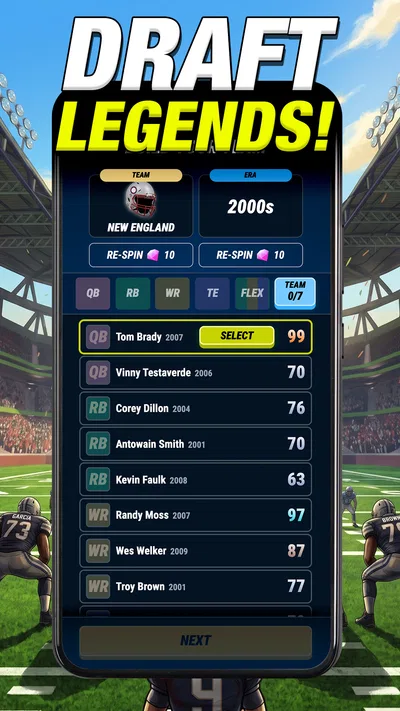
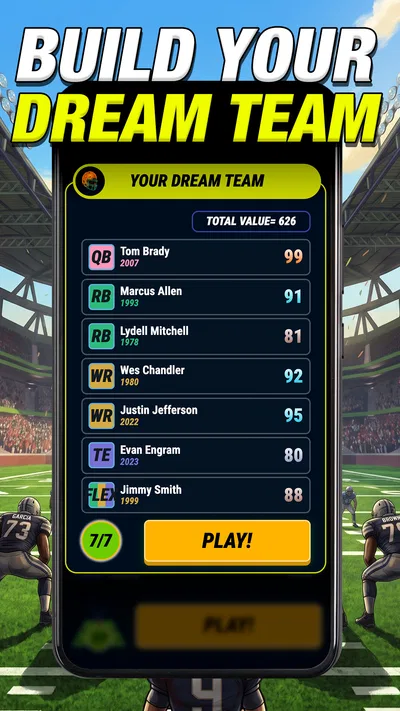
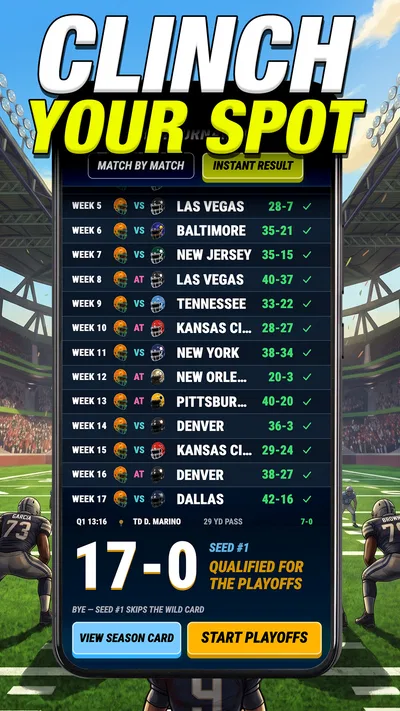
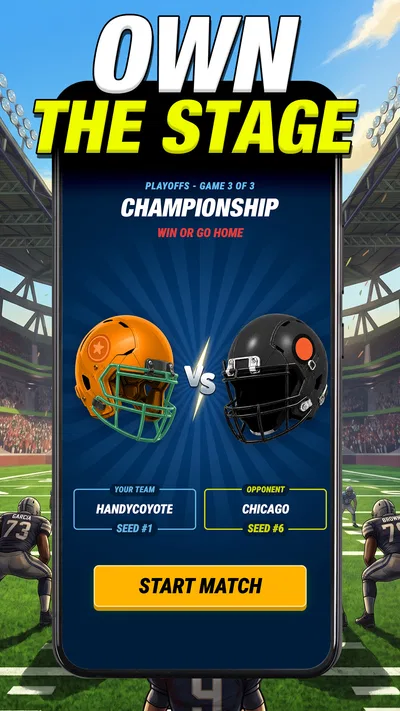
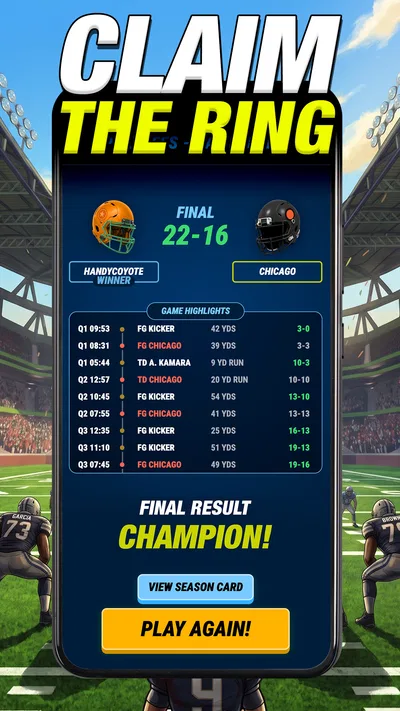
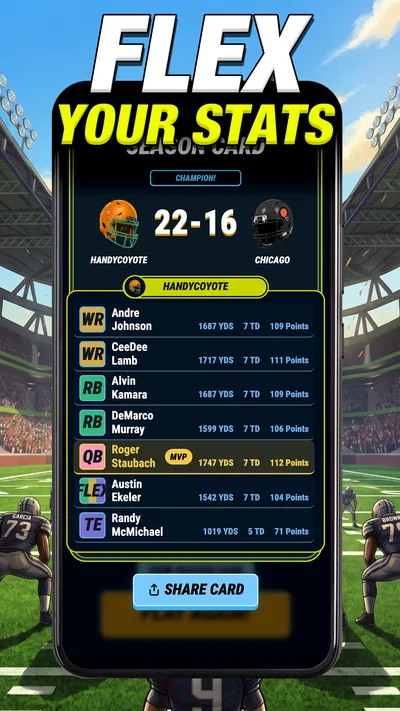
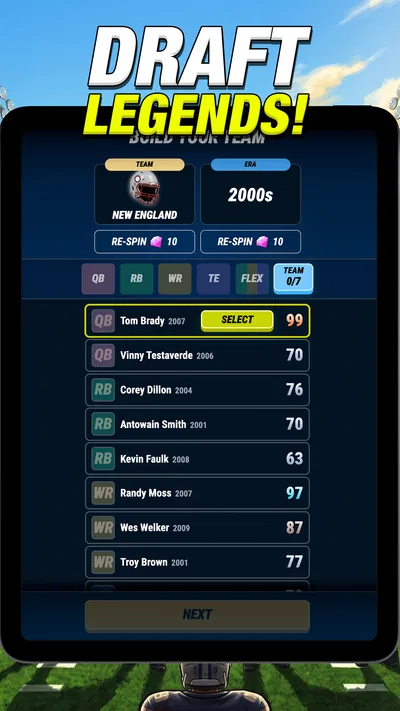
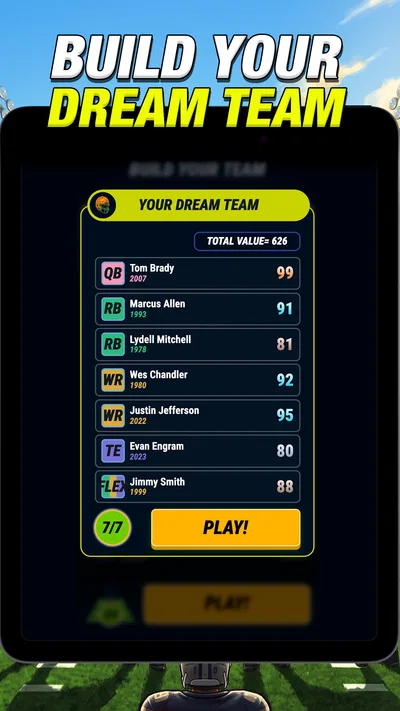
The game is developed by FunCraft Games and sits in the sports category. Its description points to drafting football legends, playing in online leagues, and pursuing a championship. That gives a useful sense of the loop, but it also means expectations matter: if your favorite part of football is reacting to a live play, a manager format may feel indirect. If you enjoy weighing choices and seeing how a team performs, the setup is more promising.
For a smoother start, I’d make one decision before opening it: do I want a quick pastime, or a game I’ll return to and manage over time? Online leagues naturally suit the second mood better. It’s easy to launch a sports game during a spare moment, but competing against other people can make a session feel more consequential than a casual offline match. Going in ready to learn the game’s rhythm helps avoid treating every early choice as a test I must get perfect.
It is free to download, though in-app purchases range from $0.99 to $49.99 per item. I’d treat that as a reason to decide my own spending limit before I get invested, not as a reason to assume purchases are necessary. A free starting point makes it easy to try the management style, while the broad purchase range is worth keeping in mind if optional spending tends to blur the line between a hobby and a costly habit.
Small checks that can save a frustrating start
The minimum operating system requirement is Android 7.0, and the age rating is Everyone. Before troubleshooting anything elaborate, I’d check that the device meets the system requirement, that the game is installed from the app store, and that the connection is working when I intend to join online competition. Those are ordinary first checks, not special tricks, but they can separate a local setup issue from a problem with a particular session.
The current version is 1.0.52. If something seems inconsistent after installation, I’d first make sure the app store shows the version currently available for my device. I would also close and reopen the game after an update and retry the same action once the connection is stable. That simple sequence is more useful than repeatedly tapping a button or changing several things at once, because it gives me a clearer sense of what actually helped.
One practical habit is to avoid making a major team decision while distracted or rushing out the door. In a management game, a mistaken tap or an unconsidered choice can be more irritating than losing a quick arcade round, because I may have to live with the consequences through later play. I’d read the available options first, make one change at a time, and pause to see what the game does with it before trying another adjustment.
That approach also makes early learning less noisy. If I change several parts of my approach in one sitting, I may not know which decision mattered. By keeping a mental note of what I tried and checking the result later, I can build a more useful feel for the game without pretending I’ve discovered a secret formula. It’s a small workflow improvement, but it suits a strategy game better than random experimentation.
Recovering a session without making it worse
When an online action appears to stall, I’d resist immediately repeating it. First I’d check whether the device is still connected, wait briefly, and then return to the game to see whether the state has changed. Repeating an action before knowing whether the first attempt registered can create confusion, especially in a game where choices and competition are connected. This is cautious general advice, rather than a claim about a specific bug or recovery feature.
If a session behaves oddly, I’d note exactly where it happened: while opening the game, trying to access online play, or making a team decision. Then I’d restart the app and try that same step again, without changing unrelated settings. If the issue persists, checking for an available update and trying again on a reliable connection are sensible next moves. Keeping the problem description specific is also more helpful if I decide to seek support than saying only that the game “doesn’t work.”
There’s another useful recovery habit for the strategy side: don’t overcorrect after a disappointing result. A manager game can tempt me to change the whole plan at once, but that makes it harder to learn whether my original choices were actually the problem. I’d review what I chose, make one measured adjustment, and give it a fair chance before drawing a conclusion. That doesn’t guarantee a win; it simply makes each session more informative.
For everyday use, the format should fit a short break if I’m comfortable spending that time thinking rather than watching constant action. I might check in after work, review a choice, and leave the rest for another session. If I have only a minute and want instant entertainment, a quick arcade football game is likely a better match. The main convenience here is the management perspective, not a promise that every interaction will be brief.
Knowing when the problem is elsewhere
Not every slow or interrupted online session points to the game itself. A weak connection, a temporary issue with the device, or an app that needs a fresh launch can all affect what I experience. I’d compare the behavior on a stable connection and after restarting the app before deciding that a team feature is broken. If other online services are also struggling, that’s a useful clue that the cause may sit outside this particular game.
It’s also worth separating preference from malfunction. If I find the game too passive, that doesn’t mean it has failed to load correctly; I may simply want direct control of players. If I dislike thinking through team choices, no troubleshooting step will turn the management loop into a real-time football match. Recognizing that early can save time and is a fairer way to judge a game with a clearly managerial focus.
Similarly, online competition may not suit every situation. Someone who wants a completely self-paced experience, with no interest in competing against other players, may prefer a solo sports title. I wouldn’t choose this primarily for offline play without first checking how its online league structure fits my routine. The attraction is strongest when I’m willing to engage with the competitive side, not when I want an isolated match and nothing more.
How it compares with familiar football games
Compared with arcade football games, 17-0 Football Manager shifts the reward from quick reactions to roster planning and competition over time. That is a meaningful difference, not merely a slower version of the same thing. Arcade titles are usually easier to pick up when I want immediate action; this game makes more sense when I enjoy deciding how to shape a team and seeing whether those choices hold up in a league setting.
Against deeper management simulations, its clear football-legend draft and championship framing may be easier to approach than a game built around a dense collection of club operations. Still, I wouldn’t assume it offers every management detail found in larger simulations. The information available here supports a focused premise—drafting, online leagues, and championship ambitions—so I’d judge it on how much I enjoy that loop rather than expecting a full recreation of every off-field responsibility.
That makes it a good middle-ground candidate for football fans who want strategy without committing to a complicated simulation. It is less suitable for players who need full tactical control, extensive club administration, or a match they can personally steer second by second. I’d choose according to the kind of decision-making I enjoy, not just the fact that both games carry a football theme.
Who will enjoy returning to it
The game has an average rating of 4.7 from around 4.6K ratings, with 518 written reviews, and has passed 100K installs. Those figures suggest a sizable audience, but they don’t tell me whether its particular management loop will suit an individual player. My own recommendation is for someone who likes collecting a plan, competing online, and returning to see how the team’s prospects develop—not someone who needs instant action every time they open a game.
It is especially worth trying if I enjoy making deliberate choices in a sports setting and can accept that results may take more than one quick session to feel satisfying. It may also work for a football fan who wants a lighter alternative to a deep simulation, provided they are happy with the game’s specific focus on drafting and league competition. I would skip it if I strongly prefer offline-only play, direct on-field control, or a sports game with no optional purchase decisions to consider.
For a sensible first run, I’d install it, confirm that online play works on my connection, and spend time understanding the choices before thinking about purchases. Since the game is free to start and optional items are priced across a wide range, setting a personal spending boundary is more practical than deciding in the heat of a competitive moment. I’d also give the core loop a few thoughtful sessions before deciding whether it is for me; one rushed attempt may not show the appeal of planning.
My practical verdict
My clearest recommendation: try 17-0 Football Manager if the fun of football for you includes choosing a squad and testing your judgment against other players. Its focused premise is appealing, and its free entry point lowers the cost of finding out whether management suits you. I like that it has a clear identity rather than pretending to be a hands-on match game.
The caveats are just as important. Online competition may be inconvenient when your connection is unreliable or your schedule allows only fleeting play, and the management format will not satisfy someone who wants to control every play. Optional purchases make it sensible to set limits early. If those trade-offs sound acceptable, I’d give it a fair try; if they sound like the exact parts you dislike, a direct-control football game or a fully solo sports title is the better choice.